In the high-stakes corridors of global power, a single phone call can often signal the shift of an era. This week, that call came from US Treasury Secretary Scott Bessent, directed toward Beijing. But it wasn’t a call of strength; it was a plea born of absolute desperation. As the global energy crisis intensifies following the collapse of peace talks and the subsequent blockade of the Strait of Hormuz, the United States finds itself in an unthinkable position: begging its primary geopolitical rival to bail out the Western world with its massive oil reserves.
The situation is a stark illustration of how strategic foresight can overcome raw military and economic dominance. While the United States spent years implementing aggressive sanctions against Iran, Russia, and Venezuela, China was quietly doing the opposite. They weren’t just ignoring the sanctions; they were using them as a golden opportunity to build a fortress of energy resilience. Today, as oil prices surge past $100 per barrel and supply chains fracture, China is sitting on a staggering 1.2 billion barrels of oil—a “horde” that Treasury Secretary Bessent now claims makes them an “unreliable global partner.”

The Architecture of a Strategic Failure
To understand how Washington ended up in this position, one must look at the data patterns of the last several years. While the Western world attempted to strand the crude oil of sanctioned regimes, China became the “buyer of last resort.” According to a US House Select Committee report, sanctioned oil accounted for one-fifth of China’s total oil imports. By purchasing this oil at deep discounts—prices forced down by the very sanctions the US imposed—Beijing assembled a Strategic Petroleum Reserve (SPR) that is now equal to the combined reserves of all 32 members of the International Energy Agency (IEA).
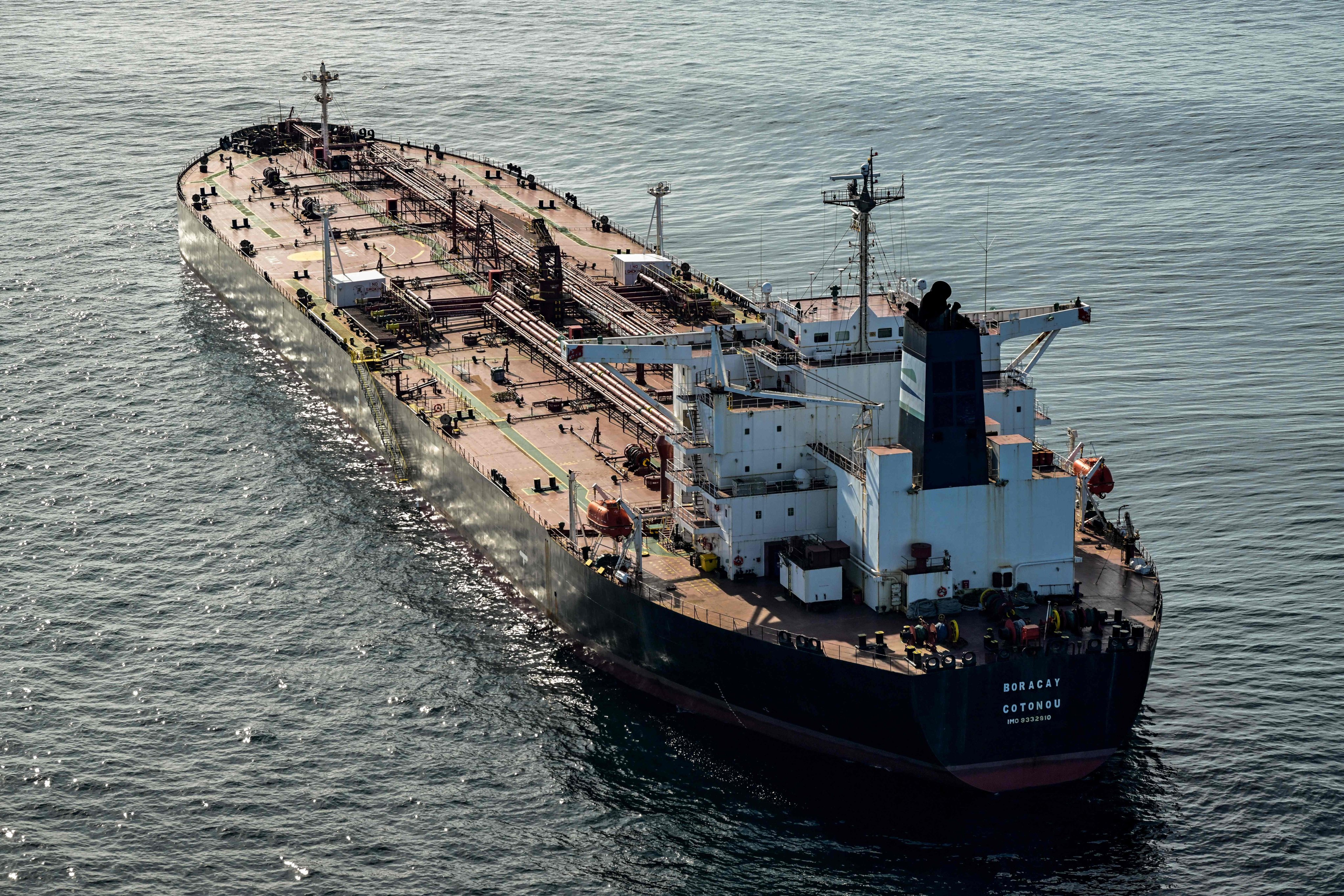
China’s method was as sophisticated as it was effective. They utilized “shadow fleets”—aging, often uninsured tankers that operated under “dark” tracking systems, switched flags mid-voyage, and performed ship-to-ship transfers in the middle of the ocean to dodge Western oversight. At its peak, nearly 10.3 million barrels per day moved through these networks, with a significant portion flowing directly into Chinese refineries. While the US viewed these sanctions as a way to limit the revenue of adversaries, China viewed them as a clearance sale for the world’s most essential commodity.
A War with Unexpected Victims
The current crisis was brought to a boiling point by the Trump administration’s escalating conflict with Iran. The blockade of the Strait of Hormuz was intended to be the final blow to the Iranian economy, forcing a capitulation after peace talks in Islamabad fell apart. However, the blockade has had a “boomerang effect.” Instead of solely punishing Iran, it has punished the global market, sending oil prices up by 40% to 50% almost overnight.
The irony is thick: the blockade was designed to ensure no oil left Iran, but China had already moved. They had already filled their tanks. Bloomberg reports that over 38 million barrels of Iranian oil are currently sitting on vessels in Asia, with more than a third anchored in the Yellow Sea. In Shandong province, home to China’s independent “teapot” refineries, inventories have swelled to record highs. Analysts note that China has approximately 120 days of “cover”—meaning they can maintain normal operations until August without importing another drop of oil, even if the Strait remains closed.
Meanwhile, the rest of the world is feeling the heat. In Malaysia, civil servants have been ordered to work from home to conserve fuel. Across Asia and Europe, industrial production is being scaled back as energy costs become untenable. The IMF and World Bank have issued rare joint statements urging countries to avoid “hoarding” supplies, a message clearly aimed at Beijing, yet lacking any enforcement mechanism.
The “Unreliable Partner” Narrative
Secretary Bessent’s rhetoric has turned increasingly sharp. He has publicly labeled China an unreliable partner three times in the last five years, citing their actions during the COVID-19 pandemic and their control over rare earth minerals. “China has been an unreliable global partner,” Bessent told reporters, accusing them of hoarding oil instead of helping to stabilize a market in turmoil.
However, from a geopolitical standpoint, Bessent’s complaint sounds less like a moral critique and more like an admission of strategic defeat. Beijing’s response has been characteristically blunt. An embassy spokesperson noted that the energy shortages are “rooted in the tense situation in the Middle East” and called for an “immediate end to military operations.” In plain language: You started this war; you deal with the consequences.
China has no incentive to release its reserves. Doing so would drive down global prices, effectively subsidizing the military and economic maneuvers of the United States while depleting China’s own hard-earned cushion. For Beijing, the reserves are not a “horde” to be shared; they are a shield against the very volatility that Washington’s policies have created.
The Looming Stalemate
As oil prices remain elevated and the military situation in the Middle East shows no signs of a quick victory, the pressure on the US administration is mounting. President Trump is still scheduled to visit Beijing in mid-May, a meeting that now carries the heavy weight of this energy dispute. While Bessent insists that the two leaders have a “good working relationship,” the reality is that the US has lost its primary source of leverage: energy dominance.
This situation reveals a fundamental difference in national philosophies. The United States frequently breaks global systems under the assumption that its dominance will force others to comply. China, conversely, builds resilience under the assumption that those systems will eventually break. When the break finally came in 2026, one side was prepared with 1.2 billion barrels of cheap oil, while the other was left making desperate phone calls.
The blockade of Iran continues, and the shadow fleets continue to sail, but the balance of power has shifted. As long as China holds the keys to the world’s most significant oil reserve, Washington’s attempts to dictate global energy policy will continue to ring hollow. The “unreliable partner” is, in fact, the only partner with the resources the world now desperately needs—and they aren’t giving them up for free.